The Mac singlehandedly revolutionized the personal computer by introducing the Graphical User Interface. This
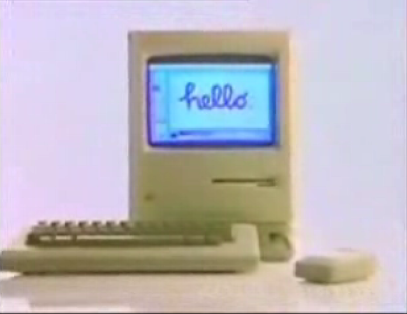 used graphics instead of typing commands to preform tasks on the computer. This opened the door for even more people to own their own and operate a personal computer. Jobs didn't stop there. When he returned to the company in 1997 he introduced another revolutionary product called the iMac. Jobs saw the immense potential of the Internet and saw it fit to include a Ethernet port on the iMac in preparation for the web revolution to come. The 'i' in the name stood for Internet, so Jobs was essentially gearing the device to a market that hasn't been fully developed or popularized yet. The iMac also only had firewire and USB ports on it, removing the old Serial ports which was used to connect peripherals to computers for years. He was essentially setting the bar for other computer manufacturers to follow in the following years. The iMac also "revolutionize
 d" computer design. At the time computers were usually big beige boxes which had to be connected to a separate monitor to function. The iMac featured an AIO(all-in-one) design which included the monitor and case in one unit. The design was also translucent and offered "candy" colors which made the computer not only extremely functional but also some sort of fashion statement. The iMac was designed by young Industrial Designer Johnathan Ive. Ive had done much research on colors at candy factories and took months to get both the colors and amount of translucency up to Jobs' high expectations for the product. The design of the iMac alone would have made it a revolutionary product.
Then in 2001 Steve Jobs introduced the iPod, Apples entry into personal music player market. Jobs had a vision that CD's would be essentially obsolete and people would be listening to all digital music. The iPod let you carry your entire music library in your pocket. The iPod wasn't the only digital music player when it was released but it was definitely the best designed one. Yet again Jobs let Johnny Ive design another revolutionary product. The design eventually became one of the most recognizable designs of the 21st century. The design was so elegant and complemented the software extremely well. A year later Jobs released the revolutionary iTunes music store which allowed people to digitally download music to use on their iPods. Jobs was able to convince all three major US labels that digital downloads were the future of the music industry, and a power to defeat the file-sharing networks such as Napster and Kazaa. iTunes is now the #1 retailer of music in the US.
Jobs kept pushing many new technologies forward such as multi-touch screens. The iPhone was released in 2007 and wasn't the first device to have a multi-touch screen but it was the one that did it the best. Since then the iPhone has been revolutionizing how people think about their cell phones. Jobs realized that software was a huge deciding factor in an Operating Systems overall success. Because of this he opened the App Store in 2008 which led to hundreds of thousands of apps to flood the mobile market. Apple now has the largest catalog of apps and because of this they continue to have one of the
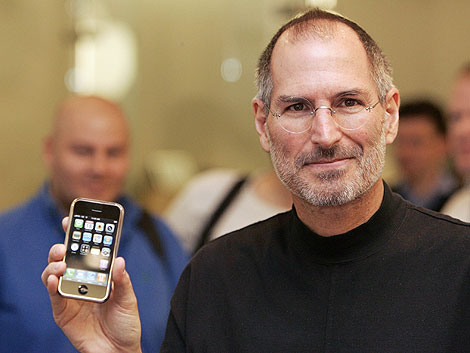 worlds most popular cell phone, the iPhone. These killer apps continue to keep Apple atop the mobile market.
It seems like no matter what Jobs does the world watches and then follows. He has changed many industries and continues to make his mark on the world. No matter what decision Jobs makes it always seems as though he thoroughly thinks about each one. With every product he releases he essentially attempts to out innovate the "rest".

2 comments:
This is a very interesting blog post. I take advantage of all of my apple products that I use today. I never knew how elaborate and hard of a process it was until watching the movie in class and reading about this blog post. Great job!
Well done, Christian. You rely a bit too much on wikipedia for links, and you should proofread better for punctuation (especially apostrophes). But this is quite good. Another fact about the first, Bondi Blue iMac (which I still have in my attic) are that they came without floppy disk drives. Believe me that it was VERY hard to convince the school I worked at and my colleagues to buy those computers. But Steve was right--those 1.4 MB drives were obsolete, and it took a visionary company (with small market share) to prove it.
Post a Comment